A health insurance course offers an in-depth and structured understanding of the health insurance industry, covering its fundamental principles, operational frameworks, regulatory guidelines, and the various socio-economic and policy-driven factors that shape its evolution. These courses are tailored for individuals aspiring to enter the healthcare or insurance sectors, professionals aiming to specialize in health insurance, or those engaged in related areas such as healthcare management, policy, or administration who require a more nuanced grasp of insurance mechanisms. Participants may include MBBS doctors, AYUSH practitioners, pharmacists, nurses, hospital administrators, insurance agents, or any other professionals involved in these dynamic and interrelated fields. The course equips learners with both theoretical knowledge and practical skills needed to navigate and contribute effectively to the health insurance ecosystem.


Communication Course
Healthcare communication is a critical skill that enables healthcare professionals to engage with patients, caregivers, and colleagues in a clear, compassionate, and effective manner. This program is specifically designed to help professionals understand the nuances of communication within healthcare settings. It focuses on developing key competencies such as active listening, demonstrating empathy, conveying complex information, and handling sensitive or difficult conversations with confidence. The ultimate goal is to improve patient satisfaction, strengthen provider-patient relationships, and contribute to better health outcomes. The course consists of 14 self-paced online modules, enriched with educational videos, real-life case scenarios, and interactive quizzes for practical learning. It is ideal for MBBS doctors, AYUSH practitioners, nurses, pharmacists, hospital managers, and all other healthcare professionals involved in patient care and communication.
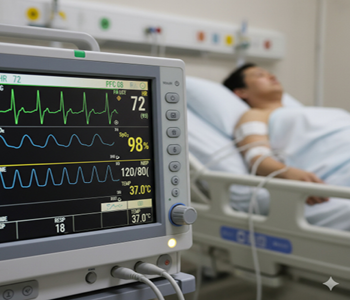
Operation and Monitoring with Multipara Monitor
All healthcare professionals, including nurses, critical care nurses, CRNAs, intensivists, critical care physicians, emergency medicine physicians, MBBS doctors, AYUSH doctors, and other clinical staff, should enroll in this course to strengthen or enhance their knowledge and skills in managing patients with multi-parameter monitors. The course offers comprehensive training on the operation, interpretation, and application of these advanced patient monitoring devices. Multi-parameter monitors are essential tools in modern healthcare, designed to track vital signs such as ECG, blood pressure, heart rate, respiratory rate, and oxygen saturation simultaneously. By providing continuous, real-time data, they enable timely interventions and support evidence-based clinical decision-making. The program also familiarizes participants with the key features, settings, and troubleshooting aspects of these devices. Practical demonstrations and case-based discussions ensure participants gain confidence in applying their skills across diverse healthcare settings, including intensive care units, operating rooms, emergency departments, and high-dependency wards, thereby improving patient safety and outcomes.
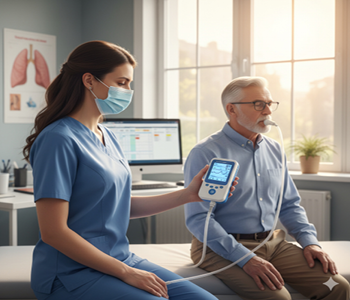
Spirometer: Principles and Clinical Use
All healthcare professionals, including nurses, respiratory therapists, critical care nurses, intensivists, critical care physicians, emergency medicine physicians, MBBS doctors, AYUSH doctors, and other clinical staff, should consider enrolling in this course to strengthen or enhance their knowledge and skills in managing patients using a spirometer. The program is carefully designed to provide both foundational knowledge and practical expertise, enabling participants to confidently perform, interpret, and apply spirometry in routine as well as advanced clinical settings. Spirometry is one of the most important pulmonary function tests and serves as a cornerstone in diagnosing, monitoring, and managing a wide range of respiratory conditions. It plays a role in detecting diseases such as asthma, chronic obstructive pulmonary disease (COPD), pulmonary fibrosis, and other lung disorders. By completing this course, the healthcare providers will be better prepared to use spirometer effectively, ensuring accurate diagnosis, improved treatment planning, and enhanced patient outcomes for their treatment.
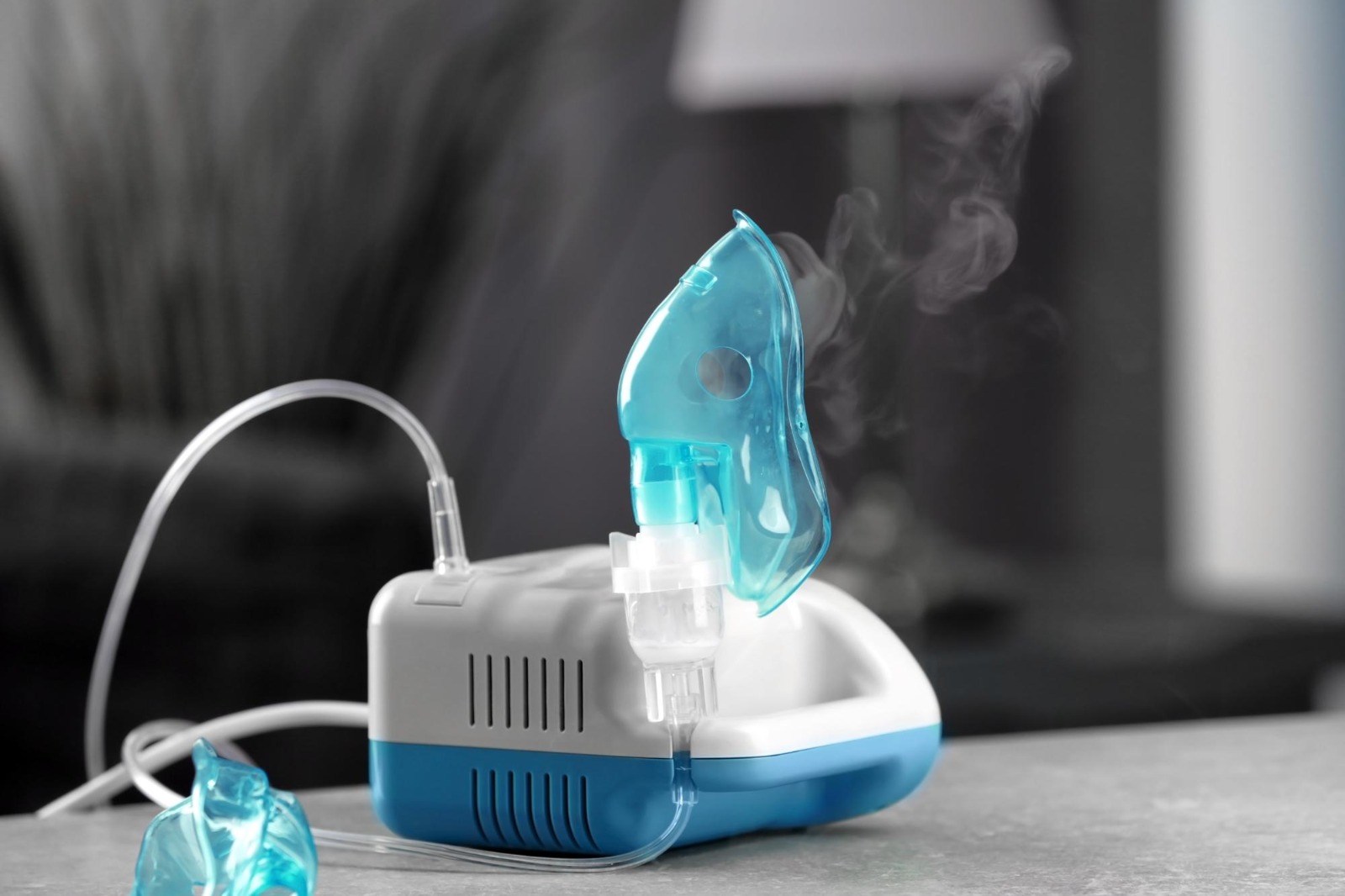
Steam Inhaler: Setup and Applications
All healthcare professionals, including nurses, respiratory therapists, critical care nurses, MBBS doctors, AYUSH doctors, and other clinical staff, are encouraged to enroll in this course to gain or enhance their knowledge and skills in managing patients using steam inhalers. The course provides a comprehensive and practical understanding of steam inhalation, with a focus on the safe and effective use of modern steam inhalers and vaporizers. While traditional methods such as jug, tent, or basic vaporizers are mentioned for context, the primary emphasis remains on electric steam inhalers, which are widely available and commonly used in clinical practice. Participants will learn the therapeutic benefits of steam therapy, including loosening thick mucus, soothing irritated airways, reducing congestion, and minimizing airway inflammation. This training equips healthcare providers with the competence to guide patients in correct usage, identify contraindications, and ensure safe practices.
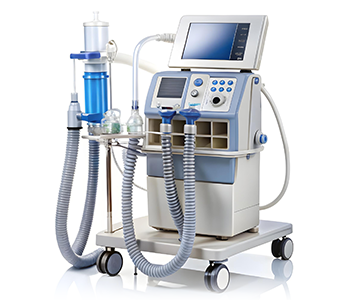
Suction Apparatus: Operation and Airway Management
All healthcare professionals, including nurses, respiratory therapists, Emergency medical technicians (EMTs), Paramedics, Physician assistants, home healthcare providers, MBBS doctor, AYUSH doctor and other clinical staff should enroll in this course, who need to gain or enhance their knowledge and skills in managing patients on Suction Apparatus. The course provides a comprehensive understanding of the device's function, types, applications, and safe operation. It covers the physics of suction, the components of suction machines, and the various clinical scenarios where suction is vital, such as in anaesthesia, resuscitation, and wound care. The course also emphasizes the importance of proper technique and safety precautions to prevent complications during suctioning. The course includes interactive elements like quizzes and scenario-based checks to reinforce learning. It also outlines best practices (DOs and DON’Ts) to prevent errors and ensure patient safety. Emphasis is placed on user responsibility in device upkeep and accuracy.
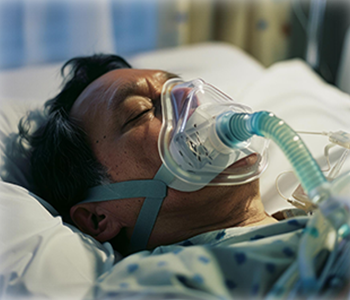
Operation and Use of BiPAP & CPAP
All healthcare professionals, including nurses, respiratory therapists, MBBS doctor, AYUSH doctor and other clinical staff should enroll in this course , who need to gain or enhance their knowledge and skills in managing patients on BiPAP (Bilevel Positive Airway Pressure) and CPAP (Continuous Positive Airway Pressure) therapy. The course provides a comprehensive overview of non-invasive ventilation (NIV) strategies, focusing on the practical application of these devices in both hospital and home care settings. Learners are guided through practical aspects such as proper usage, daily and weekly maintenance, cleaning, and basic troubleshooting. The course includes interactive elements like quizzes and scenario-based checks to reinforce learning. It also outlines best practices (DOs and DON’Ts) to prevent errors and ensure patient safety. Emphasis is placed on user responsibility in device upkeep and accuracy.
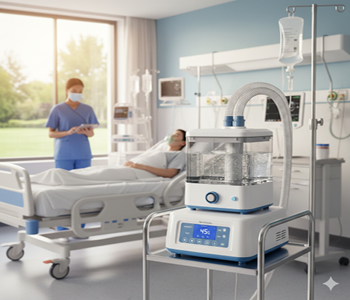
Humidifiers in Respiratory Care
All healthcare professionals, including nurses, respiratory therapists, Critical Care Nurses, Anaesthesiologists and CRNAs, Intensivists and Critical Care Physicians, Emergency Medicine Physicians MBBS doctor and AYUSH doctor should enroll in this course, who need to gain or enhance their knowledge and skills in managing patients on Humidifiers. The course provides a comprehensive overview of the principles, types, and clinical applications of humidifiers used in mechanical ventilation. Participants will learn to ensure optimal patient care by delivering appropriately conditioned gas to ventilated patients. The course includes interactive elements like quizzes and scenario-based checks to reinforce learning. It also outlines best practices (DOs and DON’Ts) to prevent errors and ensure patient safety. Emphasis is placed on user responsibility in device upkeep and accuracy.
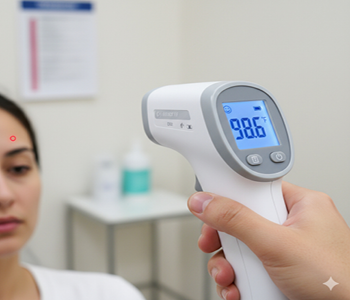
Clinical Use of Infrared Thermometer
This essential course is designed for all healthcare professionals, including nurses, MBBS doctors, AYUSH practitioners, and other clinical and paramedical staff who need to build or enhance their skills in patient assessment using infrared thermometers. In the current era, non-contact screening is paramount, mastering this technology is crucial for effective patient management and infection control. The curriculum provides a comprehensive overview, starting with the fundamental principles of infrared radiation and the device's key components. Participants will learn the correct techniques for accurate temperature measurement, ensuring reliable data for clinical decision-making. The training delves into critical technical aspects, such as understanding emissivity and the distance-to-spot ratio, which are vital for precision. Furthermore, the course addresses practical challenges, including troubleshooting common errors, accounting for environmental variables, and correctly interpreting readings in various clinical and public health contexts.
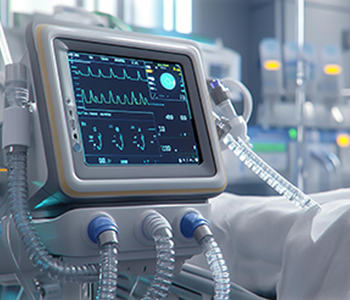
Mechanical Ventilator: Basics and Operation
This advanced course is essential for the multidisciplinary team managing critically ill patients. It is designed for professionals including nurses, respiratory therapists, CRNAs, intensivists, critical care and emergency medicine physicians, as well as MBBS and AYUSH doctors seeking to gain or enhance their skills in mechanical ventilation. The program provides a comprehensive overview of this life-saving intervention, which is a cornerstone of modern intensive care. The curriculum delves into core principles, from indications and respiratory physiology to the intricate details of various ventilator modes and settings. Participants will learn to interpret ventilator graphics and manage patient-ventilator interactions effectively. A significant focus is placed on practical, evidence-based patient care, including strategies to prevent complications like Ventilator-Associated Pneumonia (VAP) and barotrauma. Furthermore, the course covers crucial skills in troubleshooting common alarms and implementing systematic weaning protocols to safely liberate patients from the ventilator.
Nebulizer: Function and Patient Care
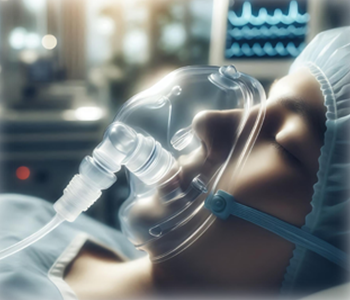
All healthcare professionals, including nurses, respiratory therapists, MBBS doctor, AYUSH doctor and other clinical staff should enroll in this course, who need to gain or enhance their knowledge and skills in managing patients on Nebulizer. The course provides a comprehensive overview of training on how to use nebulizers, which are devices that turn liquid medicine into a mist that can be inhaled. These programs are often designed for healthcare professionals or individuals with respiratory conditions like asthma or COPD. The training can cover proper nebulizer use, cleaning, maintenance, and understanding different types of nebulizers. The course includes interactive elements like quizzes and scenario-based checks to reinforce learning. It also outlines best practices (DOs and DON’Ts) to prevent errors and ensure patient safety. Emphasis is placed on user responsibility in device upkeep and accuracy.
Oxygen Cylinder & Concentrator: Safe Handling and Use
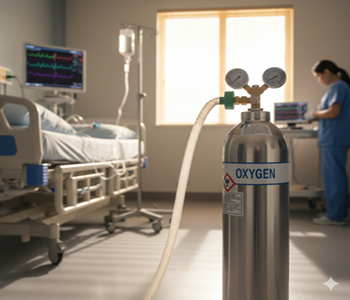
All healthcare professionals, including nurses, respiratory therapists, Critical Care Nurses and CRNAs, Intensivists and Critical Care Physicians, Emergency Medicine Physicians MBBS doctor, AYUSH doctor and other clinical staff should enroll in this course, who need to gain or enhance their knowledge and skills in managing patients on Oxygen cylinder and concentrator. The course provides on oxygen cylinder and concentrators would cover the fundamental differences between these two devices, their respective uses, and how to safely operate and maintain them. The course would delve into the types of oxygen cylinders, their components, and safety protocols for handling and storage. It would also explore oxygen concentrators, explaining how they work, their features, and how to choose the right one for specific needs.

Pulse Oximeter: Operation and Interpretation
This foundational course is designed for a broad spectrum of healthcare professionals, including nurses, critical care specialists, emergency medicine physicians, MBBS and AYUSH doctors, and any clinical staff involved in patient monitoring. Since pulse oximetry is a universal standard of care, often called the fifth vital sign, mastering its application and interpretation is essential for ensuring patient safety. The curriculum provides a comprehensive overview of this non-invasive method for monitoring arterial oxygen saturation (SpO2). Participants will gain a thorough understanding of the underlying principles, including the physics of light absorption by hemoglobin and how to interpret the plethysmographic waveform. Critically, the training moves beyond basic operation to address the numerous factors that can compromise accuracy. It covers troubleshooting common artifacts from motion or poor perfusion and details limitations in challenging scenarios like anemia or carbon monoxide poisoning.

Cardiac Care Nursing - Upskilling program
This comprehensive instructor-led upskilling program is designed for registered nurses working in or transitioning to cardiac care units. The course strengthens their theoretical knowledge and hands-on clinical skills through structured modules aligned with national healthcare standards. Delivered through blended learning (lectures, webinars, bedside training, simulation), the program covers core topics such as cardiac assessment, management of cardiac emergencies, use of advanced biomedical equipment, and nursing roles in diagnostic and invasive procedures. Nurses will gain practical exposure to handling cardiac devices, assisting in surgeries, and delivering postoperative and critical care. Emphasis is also placed on infection control, nursing quality indicators, and communication skills. Certification is awarded by the Healthcare Sector Skill Council (HSSC) Post completion of OSCE-based assessments, ensuring participants are competent to deliver high-quality cardiac care in both acute and post-operative settings.
.jpeg)
Bio-Medical Waste Management for Auxiliary and Sanitation Staff
This SCORM-based course is specially developed for auxiliary and sanitation staff working in hospitals, clinics, and other healthcare settings. It provides practical training on the safe handling, segregation, and disposal of bio-medical waste to minimize health hazards and environmental contamination. Through simple explanations, visuals, and voice-over instructions in regional languages, the course aims to build awareness of best practices and safety measures during waste collection and disposal. The training includes types of bio-medical waste, use of color-coded bins, protective gear, and step-by-step waste disposal techniques. The content is aligned with Bio-Medical Waste Management Rules, 2016, and ensures that support staff understand their crucial role in infection prevention and cleanliness. Post completion, learners will be better equipped to manage bio-medical waste safely and contribute to a hygienic healthcare environment.
.jpeg)
Biomedical Waste Management for Nursing/Paramedical Staff
This SCORM-compliant course is specially designed for nursing and paramedical staff to enhance their awareness and practical understanding of Biomedical Waste (BMW) Management in healthcare settings. The course provides in-depth knowledge on the definition, classification, segregation, collection, storage, transportation, treatment, and final disposal of biomedical waste. Learners will be introduced to color-coded waste bins, handling procedures, and safe practices aligned with the Biomedical Waste Management Rules, 2016. Emphasis is placed on infection prevention, occupational safety, and the critical role of frontline staff in maintaining compliance and preventing healthcare-associated infections (HAIs). Interactive visuals, demonstration videos, and case-based scenarios are included to reinforce learning. By the end of the course, participants will be able to follow standardized protocols for waste handling and contribute to a cleaner, safer healthcare environment.

Biomedical Waste Management for Doctors & Administrative Staff
This SCORM-compliant e-learning course is tailored specifically for doctors and hospital administrative staff to enhance their understanding of Biomedical Waste (BMW) Management in accordance with national regulations and best practices. The course provides a structured overview of biomedical waste categories, segregation protocols, collection, transport, treatment, and disposal methods. It emphasizes the legal and administrative responsibilities of clinical and non-clinical leadership in ensuring safe waste handling within healthcare facilities. With a focus on risk reduction, regulatory compliance (BMW Rules, 2016 & amendments), and hospital infection control, the course uses case scenarios, visual demonstrations, and practical guidance to promote a culture of accountability and environmental safety. By the end of the course, learners will be equipped to implement robust waste management systems, conduct compliance audits, and support sustainability efforts in healthcare.

First Aid Care – Instructor (NSQF Aligned) - Virtual course
The First Aid Instructor course is a nationally recognized program designed to prepare experienced first aid providers and healthcare professionals to deliver structured and effective first aid training programs. Delivered in a fully virtual mode, the course focuses on instructional methodologies, adult learning principles, demonstration techniques, assessment strategies, and effective facilitation of first aid skills in line with nationally accepted guidelines. Completion of the online modules leads to certification of the virtual First Aid Instructor learning component. To qualify for full First Aid Instructor certification and to become part of the HSSC Instructor Community, candidates are required to mandatorily attend and successfully complete an instructor-led, hands-on training and assessment session conducted at the Healthcare Sector Skill Council’s Advance Technology Centre (HSSC ATC), a high-fidelity simulation laboratory. This blended approach ensures instructional competence and practical mastery.

Simulation Instructor Program
The Simulation Instructor Program is a flagship faculty development initiative by Advance Technology Centre – Healthcare Sector Skill Council, designed to equip healthcare educators with the expertise to deliver high-impact, simulation-based training. This structured program combines 2 days of self-paced online learning with a 3-day intensive, hands-on workshop at our cutting-edge simulation facility. Participants will explore core concepts of adult learning, scenario-based teaching, simulation operations, and debriefing techniques. The course empowers faculty to confidently teach, assess, and facilitate clinical decision-making through simulation, and effectively integrate it into institutional curricula. Ideal for professionals in nursing, medical, paramedical, and allied health education, this program offers a unique opportunity to build instructional capability, enhance learner engagement, and drive quality outcomes in healthcare training.

First Aide Care Provider - Virtual course
The First Aid Care Provider course is a nationally recognized program designed to equip learners with essential knowledge and skills to respond effectively to common injuries and medical emergencies in workplaces, public spaces, and community settings. Delivered in a fully virtual mode, the course focuses on scene safety, patient assessment, management of injuries and medical emergencies, infection control, and effective communication with emergency services, in alignment with nationally accepted standards. Completion of the online modules leads to certification of the virtual First Aid Care Provider learning component. To qualify for full First Aid Care Provider certification, candidates are required to attend and successfully complete an instructor-led, hands-on practical training session conducted at the Healthcare Sector Skill Council’s Advance Technology Centre (HSSC ATC), a high-fidelity simulation laboratory. This blended learning approach ensures both theoretical understanding and practical readiness for real-life emergency situations.

Fundamentals of CSSD (Central Sterile Services Department) in healthcare facilities
The CSSD Learning Modules is a learning initiative by Healthcare Skill Council where 3M India is the Technical Guidance Collaborator. This course is designed to provide participants a thorough understanding of the principles, practices, and importance of the Central Sterile Services Department (CSSD) in healthcare facilities. The courses are curated to help participants understand the principles behind cleaning and disinfection. The course covers the best practices which can be implemented in hospitals around sterilization practices, monitoring, instrument tracking, storage and handling. By the end of this course, participants will be able to understand the full workflow of CSSD (from Cleaning to sterilization and distribution). Assessment Post completion of the 7 modules, participants will have to take the assessment All participants who have scored 80% and above will be given course completion certificates

(BCPLS Provider) Basic Cardiopulmonary Life Support
The Basic Cardiopulmonary Life Support (BCPLS) Provider course is a nationally recognized program designed to equip learners with essential life-saving knowledge and skills required to respond effectively to cardiac and respiratory emergencies. Delivered in a fully virtual mode, the course focuses on early recognition of emergencies, activation of emergency response systems, high-quality CPR, basic airway management, and choking management for adults, children, and infants, in line with nationally accepted guidelines. Completion of the online modules leads to certification of the virtual BCPLS Provider learning component. To qualify for full BCPLS Provider certification, candidates are required to attend and successfully complete an instructor-led, hands-on practical training session conducted at the Healthcare Sector Skill Council’s Advance Technology Centre (HSSC ATC), a high-fidelity simulation laboratory. This blended learning approach ensures both strong theoretical understanding and practical competence in delivering effective life support during real-life emergencies.

Adult CPR – Virtual Training Course
The Adult CPR – Virtual Training Course is a SCORM-compliant, self-paced program designed to equip learners with the essential knowledge and confidence to respond to adult cardiac emergencies. This course provides comprehensive training on recognizing cardiac arrest, initiating high-quality chest compressions, delivering rescue breaths, and using an Automated External Defibrillator (AED) in accordance with international resuscitation guidelines. Through engaging video demonstrations, interactive modules, and scenario-based learning, participants will understand the importance of early intervention and the steps involved in saving a life. Ideal for both healthcare professionals and laypersons, the course builds foundational life-saving skills. Note: For hands-on practice and assessment, please email simulation@healthcare-ssc.in or call 9266617232. To obtain a complete BLS certification (including Adult, Child, Infant CPR and Choking), search for “Basic Cardiopulmonary Life Support Course” in the LMS search bar.
Child CPR – Virtual Training Course
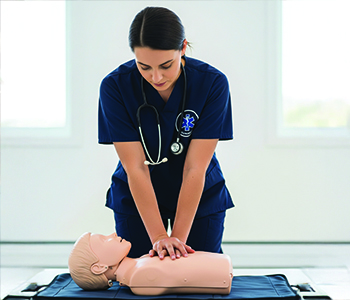
The Child CPR – Virtual Training Course is a SCORM-compliant, interactive program designed to train individuals on how to recognize and respond to cardiac emergencies in children. This course provides step-by-step guidance on delivering high-quality chest compressions, rescue breaths, and using an Automated External Defibrillator (AED) appropriately for children. Aligned with international resuscitation guidelines, it includes video demonstrations and scenario-based learning to reinforce key skills. Whether you are a healthcare professional, teacher, caregiver, or parent, this course builds confidence to act swiftly during pediatric emergencies. Note: For hands-on training and practical evaluation, please email us at simulation@healthcare-ssc.in or call 9266617232. To obtain a complete Basic Life Support (BLS) certificate, which includes Adult CPR, Child CPR, Infant CPR, and Choking, search for “Basic Cardiopulmonary Life Support Course” in the LMS search bar.
Infant CPR – Virtual Training Course
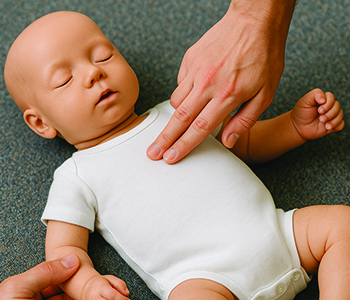
The Infant CPR – Virtual Training Course is a SCORM-compliant, self-paced learning program designed to teach individuals how to respond to life-threatening emergencies in infants (0–12 months). Aligned with international resuscitation guidelines, the course includes step-by-step instructions and video demonstrations on performing high-quality chest compressions, providing rescue breaths, and using an Automated External Defibrillator (AED) safely for infants. The course is ideal for nurses, pediatric caregivers, parents, and daycare workers. Learners will gain essential skills to act quickly and confidently during cardiac arrest in infants. Note: For hands-on practical training, please email simulation@healthcare-ssc.in or call 9266617232. To receive a complete Basic Life Support (BLS) certificate, which includes Adult CPR, Child CPR, Infant CPR, and Choking, please search for “Basic Cardiopulmonary Life Support Course” using the LMS search button.

Choking Management – Virtual Training Course (Adult, Child & Infant)
The Choking Management – Virtual Training Course is a SCORM-compliant, interactive learning module designed to teach the proper techniques to recognize and respond to choking in adults, children, and infants. This course includes age-appropriate interventions such as abdominal thrusts (Heimlich maneuver), back blows, and chest thrusts, based on the latest international resuscitation guidelines. Learners will gain the knowledge and confidence to act quickly during airway obstruction emergencies and prevent life-threatening consequences. The course features step-by-step video demonstrations, clear visuals, and scenario-based learning to reinforce key actions for each age group. Note: For hands-on/practical training, please contact simulation@healthcare-ssc.in or call 9266617232. To obtain a complete Basic Life Support (BLS) certificate, including Adult CPR, Child CPR, Infant CPR, and Choking, search for “Basic Cardiopulmonary Life Support Course” using the LMS search button.
.png)
Empowering Operational Excellence : Leadership Programs for OT Managers
The Empowering Operational Excellence : Leadership Programs for OT Managers is an Essential Leadership Concepts for OT Managers which is designed to equip healthcare professionals including Nursing professionals with essential leadership, management, and quality improvement skills. This blended self paced program focuses on developing competencies in staff supervision, team communication, human resource management, and operational planning in the OT environment. Participants will learn to apply evidence-based management tools, such as Root Cause Analysis (RCA), Lean, and Six Sigma, to enhance safety and efficiency in surgical care. The course emphasizes leadership traits such as decision-making, adaptability, and emotional intelligence crucial for leading multidisciplinary surgical teams. By integrating quality assurance practices and strategic planning, participants will be empowered to create a safe, compliant, and efficient OT setup that aligns with national and international healthcare standards.

Medication Management: Safe Administration, Drug Calculation, and IV Therapy
Medication management is a critical responsibility in healthcare that directly impacts patient safety and treatment outcomes. This course is designed to strengthen the knowledge and practical skills required for safe medication preparation, calculation, administration, and monitoring across different patient populations. Through a structured series of skill-based videos developed at the Advance Technology Centre (ATC), Healthcare Sector Skill Council (HSSC), learners will gain step-by-step understanding of drug calculation for adults and pediatric patients, routes of drug administration, high-risk medication handling, fluid and infusion techniques, and IV cannulation practices. The course emphasizes accuracy, infection control, standard clinical protocols, and prevention of medication errors. It is ideal for learners seeking to build foundational competencies as well as healthcare professionals looking to refresh and standardize their medication administration skills in line with best clinical practices.
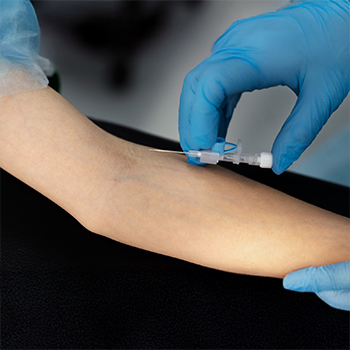
IV Cannulation Skills: Selection and Safe Practice Across Age Groups
Intravenous (IV) cannulation is a fundamental clinical skill required for safe administration of fluids, medications, and blood products. This course is designed to provide learners with structured, skill-based training on IV cannulation practices across different age groups. Through step-by-step procedural videos developed at the Advance Technology Centre (ATC), Healthcare Sector Skill Council (HSSC), learners will understand how to select the appropriate IV cannula, identify suitable veins, and perform IV cannulation safely in adult and pediatric patients. The course emphasizes infection control, patient comfort, age-specific considerations, and prevention of complications. It is suitable for healthcare students, nursing staff, and allied health professionals who wish to build or refresh their IV therapy skills in alignment with standard clinical protocols and best practices.
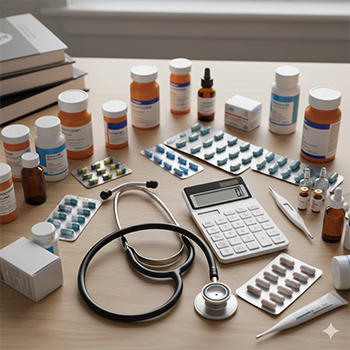
Medication Administration and Drug Calculation: Safety, Accuracy, and Infusion Practices
Medication administration and calculation are critical competencies that directly influence patient safety and treatment outcomes. This course is designed to strengthen learners’ understanding and practical application of safe medication practices across clinical settings. Through a structured set of skill-based videos developed at the Advance Technology Centre (ATC), Healthcare Sector Skill Council (HSSC), learners will gain clarity on routes of drug administration, accurate drug calculation for adult and pediatric patients, safe handling of high-risk medications, and correct fluid and infusion techniques. The course emphasizes accuracy, standard protocols, infection control, and prevention of medication errors. It supports both foundational learning and skill reinforcement, making it suitable for healthcare students, nursing staff, and allied healthcare professionals seeking to improve confidence and competence in medication management.
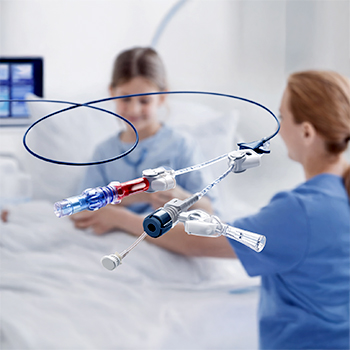
PICC Access Competency Enhancement Program
The PACE Program is a competency development initiative by 3M Healthcare – Healthcare Sector Skill Council, designed to enhance the competency of healthcare professionals associated with PICC- Peripherally inserted catheter care and maintenance at healthcare settings and homecare for better patient outcome. The PACE program is a self-paced online module which helps HCP’s to know-how of best practices of PICC line care and maintenance with evidenced based approaches to understand the best practices during maintenance and how to prevent the risk associated with PICC Line care like blood stream infections, occlusion, dislodgement, colonization etc. Participants will be able to enhance their competence on PICC Line by understanding nuances of different types of PICC lines, best practices, PICC line complications and appropriate technology available to address the challenges encountered at healthcare settings and home care.
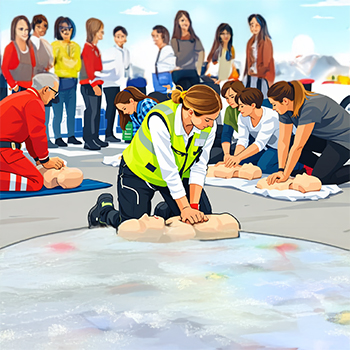
Basic Cardiopulmonary Life Support (BCPLS) Instructor
The Basic Cardiopulmonary Life Support (BCPLS) Instructor course is a nationally recognized program designed to prepare healthcare professionals and certified BCPLS providers to deliver high-quality life support training. Delivered in a fully virtual mode, the course focuses on instructional skills, adult learning principles, structured demonstration of BCPLS techniques, and assessment methodologies aligned with nationally accepted guidelines. Completion of the online modules leads to certification of the virtual BCPLS Instructor learning component only. To obtain BCPLS Instructor certification and become a part of the HSSC Instructor Community, candidates are required to mandatorily attend and successfully complete an instructor-led, hands-on training and assessment session conducted at the Healthcare Sector Skill Council’s Advance Technology Centre (HSSC ATC), a high-fidelity simulation laboratory. This blended approach ensures both instructional competence and practical mastery of life-saving skills.
.jpg)
Advanced Cardiopulmonary Life Support (ACPLS) Provider – National Qualification
The Advanced Cardiopulmonary Life Support (ACPLS) Provider course is a nationally recognized program designed to equip healthcare professionals with advanced knowledge and decision-making skills required to manage cardiac and respiratory emergencies. Delivered in a fully virtual mode, the course focuses on advanced airway management, cardiac rhythm recognition, defibrillation principles, pharmacology in resuscitation, and coordinated team-based response during cardiac arrest and peri-arrest situations, in line with nationally accepted guidelines. Completion of the online modules leads to certification of the virtual ACPLS Provider learning component. To qualify for full ACPLS Provider certification, candidates are required to attend and successfully complete an instructor-led, hands-on practical training and assessment session conducted at the Healthcare Sector Skill Council’s Advance Technology Centre (HSSC ATC), a high-fidelity simulation laboratory. This blended learning approach ensures strong theoretical understanding and practical readiness for advanced life-saving interventions.
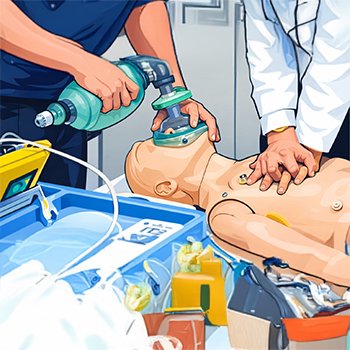
Advanced Cardiopulmonary Life Support (ACPLS) Instructor – National Qualification
The Advanced Cardiopulmonary Life Support (ACPLS) Instructor course is a nationally recognized program designed to prepare experienced ACPLS providers and healthcare professionals to deliver advanced life support training. Delivered in a fully virtual mode, the course focuses on instructional methodologies, adult learning principles, advanced resuscitation protocols, simulation-based teaching, and structured assessment techniques aligned with nationally accepted guidelines. Learners develop the ability to plan, conduct, and evaluate ACPLS training programs while maintaining clinical accuracy and instructional effectiveness. Completion of the online modules leads to certification of the virtual ACPLS Instructor learning component only. To qualify for full ACPLS Instructor certification and to become part of the HSSC Instructor Community, candidates must mandatorily attend and successfully complete an instructor-led, hands-on training and assessment session conducted at the Healthcare Sector Skill Council’s Advance Technology Centre (HSSC ATC), a high-fidelity simulation laboratory. This blended approach ensures instructional competence and advanced clinical skill mastery.
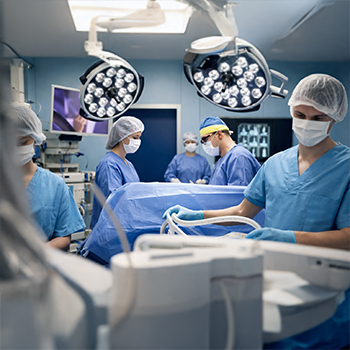
Operation Theatre Nursing Excellence Program
The Operation Theatre (OT) Nursing Training Program is designed to equip nurses with the knowledge, skills, and professional competencies required to function effectively in surgical settings. This program focuses on the roles and responsibilities of OT nurses, principles of asepsis, surgical instrumentation, sterilization, patient safety, and intraoperative assistance. Delivered through structured LMS-based theoretical modules and supported by practical skill development, the course prepares learners to assist surgeons safely and efficiently during surgical procedures. Emphasis is placed on infection control, instrument handling, surgical workflow, teamwork, and adherence to standard operating procedures within the OT environment. This program basically supports both entry-level and practicing nurses in strengthening their OT readiness and aligning their skills with institutional and national standards for surgical care.
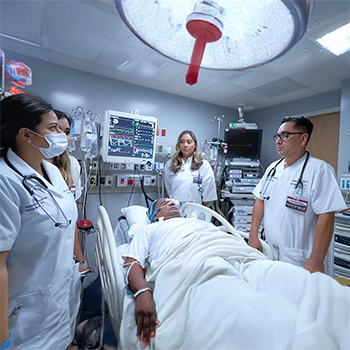
Clinical Excellence in Critical Care Nursing
The Critical Care Nursing course is a structured, competency-based program designed to strengthen the clinical knowledge, technical skills, and decision-making abilities of nursing professionals working in high-acuity settings. Based on a progressive curriculum, the course focuses on advanced patient assessment, rapid response to clinical deterioration, ventilator management, invasive monitoring, and safe execution of critical care procedures. Learners are trained to identify early warning signs, respond effectively to emergencies, and provide evidence-based nursing care to critically ill patients in intensive care units. The course integrates theory with practical application through case-based learning, demonstrations, and scenario-driven assessments. Emphasis is placed on patient safety, infection prevention, communication, and adherence to critical care protocols. This course prepares nurses to function confidently and competently within multidisciplinary critical care teams.

Advanced Emergency Response & Life Support Program
The Comprehensive Emergency Care Training Program is a structured 4-day learning experience designed to equip participants with essential life-saving knowledge and skills required during medical and trauma emergencies. The course integrates First Aid, Basic Cardiopulmonary Life Support (BCPLS), Advanced Cardiopulmonary Life Support (ACPLS), and Road Safety Measures to enable timely and effective emergency response. Through a blended learning approach using LMS-based modules, demonstrations, and assessments, participants gain a clear understanding of emergency assessment, resuscitation techniques, airway and ventilation management, cardiac rhythm basics, trauma care, and legal responsibilities of first responders. The course emphasizes practical readiness, safety, teamwork, and adherence to standard emergency protocols. It is suitable for healthcare professionals, trainers, students, and allied health personnel seeking structured emergency preparedness training aligned with national skill and safety standards.
No courses assigned.
No courses assigned.