Overview
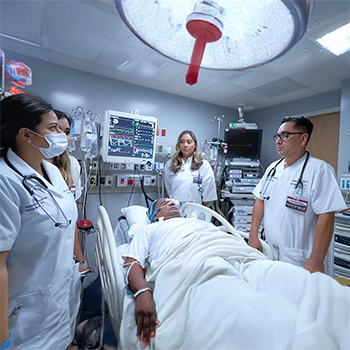
The Critical Care Nursing course is a structured, competency-based program designed to strengthen the clinical knowledge, technical skills, and decision-making abilities of nursing professionals working in high-acuity settings. Based on a progressive curriculum, the course focuses on advanced patient assessment, rapid response to clinical deterioration, ventilator management, invasive monitoring, and safe execution of critical care procedures. Learners are trained to identify early warning signs, respond effectively to emergencies, and provide evidence-based nursing care to critically ill patients in intensive care units. The course integrates theory with practical application through case-based learning, demonstrations, and scenario-driven assessments. Emphasis is placed on patient safety, infection prevention, communication, and adherence to critical care protocols. This course prepares nurses to function confidently and competently within multidisciplinary critical care teams.
What You'll Gain
- Perform comprehensive and focused assessments of critically ill patients
- Recognize early signs of clinical deterioration and initiate timely response
- Assist in ventilator management and monitor respiratory parameters
- Safely manage invasive lines and critical care procedures
- Apply infection control and patient safety principles in ICU settings
- Communicate effectively within multidisciplinary critical care teams
Special Features
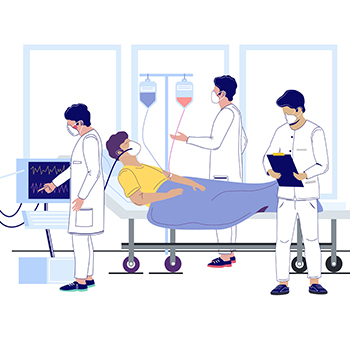
- Curriculum aligned with real ICU clinical workflows
- SCORM-enabled interactive modules with LMS tracking
- Case-based learning and clinical scenario integration
- Embedded quizzes and final assessment
- Supports blended learning with simulation and skills labs
- Certificate issued on successful completion
Course Eligibility: Undergraduate
Course Sub Eligibility: Nurses working in ICU, HDU, Emergency, or Critical Care units
Description
This course equips nursing staff with essential competencies required for critical care practice. It covers advanced assessment, emergency response systems, ventilator management, invasive monitoring, and ICU procedures. Designed for clinical applicability, the program enhances patient safety, critical thinking, and professional readiness for high-dependency and intensive care environments. For hands-on/practical trainings, please contact elearning@healthcare-ssc.in or call 9266617232
Curriculum
Introduces the scope, roles, and responsibilities of nurses in critical care units. Covers ICU layout, essential equipment, patient safety, and infection prevention protocols.
Focuses on systematic head-to-toe and focused assessments for critically ill patients. Emphasizes neurological, cardiovascular, and respiratory assessment with early identification of deterioration.
Covers vital sign monitoring, interpretation of trends, and use of early warning scores. Enables nurses to recognize clinical instability and initiate timely escalation of care.
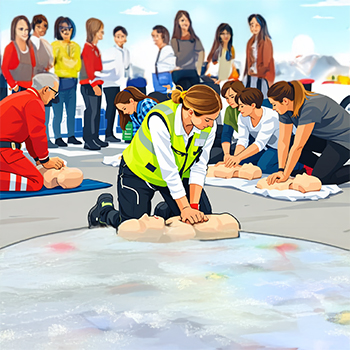
Prepares nurses to respond to acute emergencies using rapid response systems. Includes airway support, basic life support principles, and effective code team coordination.
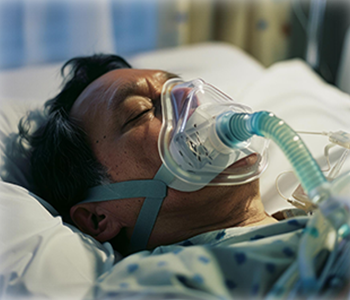
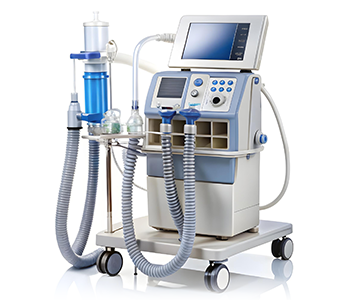
Explains indications for mechanical ventilation and basic ventilator modes. Covers nursing care, monitoring parameters, and prevention of ventilator-associated complications.
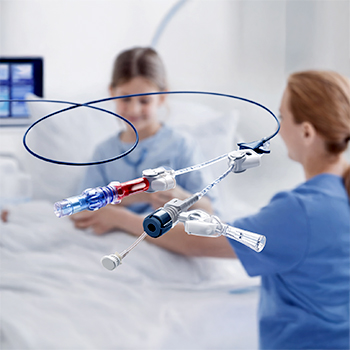
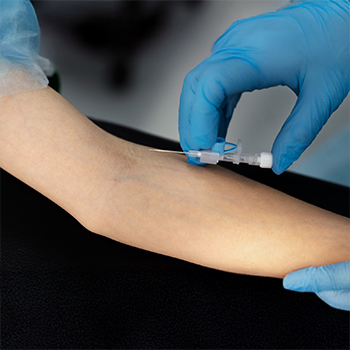
Introduces arterial lines, central venous catheters, and invasive pressure monitoring. Focuses on nursing responsibilities, safety measures, and infection prevention.
Highlights infection prevention strategies specific to critical care settings. Covers hand hygiene, device-associated infection prevention, and safety checklists.
Develops effective communication skills for multidisciplinary critical care teams. Emphasizes accurate documentation, handovers, and ethical responsibilities.
Recommended Courses
Discover the courses that are making a difference in healthcare.

.jpg)
.png)





Frequently
Asked Questions
Yes, the course is designed specifically for nurses working or transitioning into critical care settings.
The theoretical component is fully online. Practical and simulation sessions can be added as blended learning.
Yes, module-wise quizzes and a final assessment are included.
Yes, a course completion certificate is issued upon successful assessment.
Yes, emergency response and early deterioration management are core components.